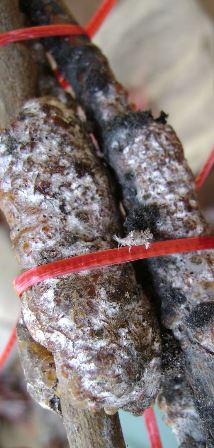
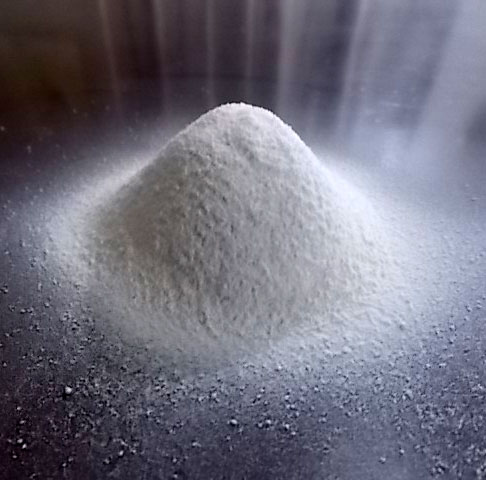
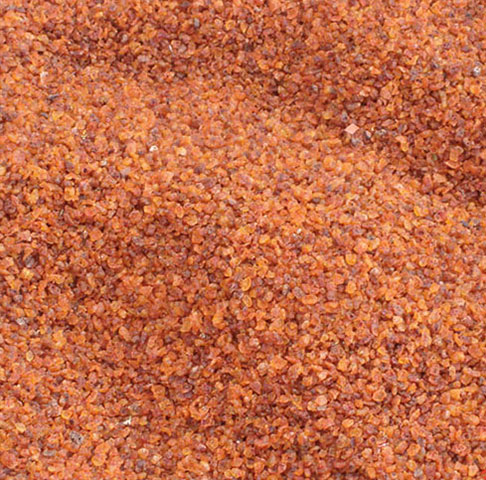
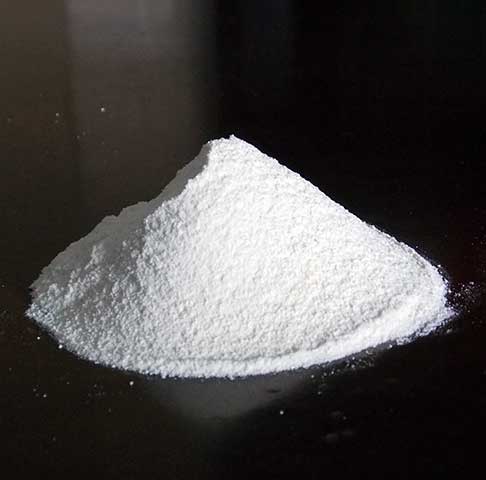
Shellac is the world’s only natural edible gum resin, primarily found in the forests of India, Thailand, and China, with India being the largest producer of high-quality shellac. It is secreted by the female lac bug, Kerria lacca (also known as Laccifer lacca), and undergoes various stages of processing. It is secreted by the female lac bug, Kerria lacca (also known as Laccifer lacca), and undergoes various stages of processing.
Shellac exists in three forms
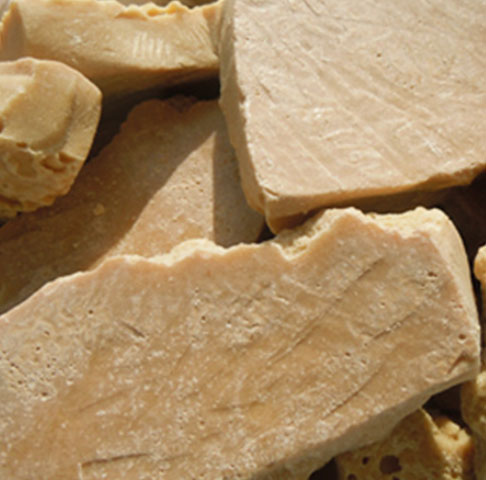
Sticklac: The raw material harvested from trees.
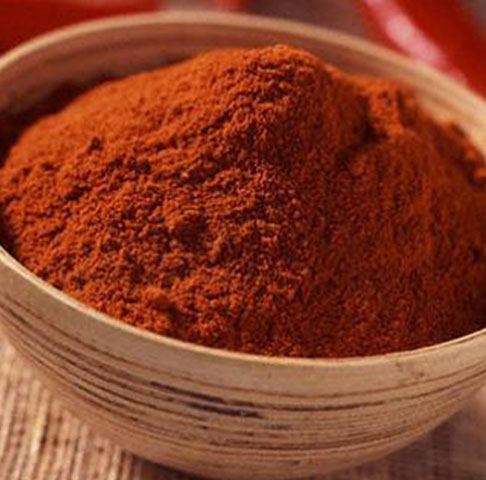
Seedlac: A semi-finished, washed product with some wax content.
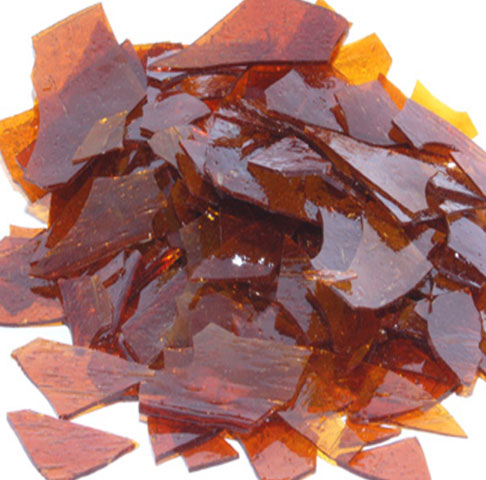
Shellac: The final product, created by removing wax and impurities from seedlac.
Recognized as safe by the US FDA and labeled GRAS (Generally Recognized as Safe), shellac is widely used as a coating for various foods, including fruits, coffee beans, chewing gum, chocolates, and candies. In the pharmaceutical industry, it serves as a food-grade pharmaceutical glaze, an alcohol-based solution used to coat pills and other medications.
Shellac is a natural bioadhesive polymer, chemically similar to synthetic polymers, which makes it comparable to a natural form of plastic. Traditionally known as one of the best wood sealers, shellac is frequently used as a wood finish, particularly in the French Polish technique. In addition to its use as a wood coating, shellac and its by-products, such as shellac wax and lac dyes, are used in the cosmetics and garment industries.
Uses & Advantages
Only edible gum resin – approved by the US FDA
Used as medicine coating and binder, particularly in slow release and colonic release tablets.
Used in fruit and vegetable coatings. It enhances their shelf life without refrigeration by upto 6 months.
Used as confectioner’s glaze over chocolates and candies.
Used in wood finishes.
Odour and stain blocker.
Excellent adhesion to any surface – works as an excellent primer and sealer.
Compatible to virtually any other finish.
Resistant to ultra-violet light rays for product longevity.
Low thermal conductivity
Excellent dielectric properties - it acts as an insulator
Shellac Wax can be used in replacement Of Carnuaba Wax & Candelilla Wax.
Shellac Wax can be used in consistency agent in Cosmetics, High Gloss Polishes, Lipsticks & for cosmetic industry.